Just How To Review A Certification Of Evaluation Coa For Peptide Study
Nextday Peptides: Coa Collection For Study Peptides
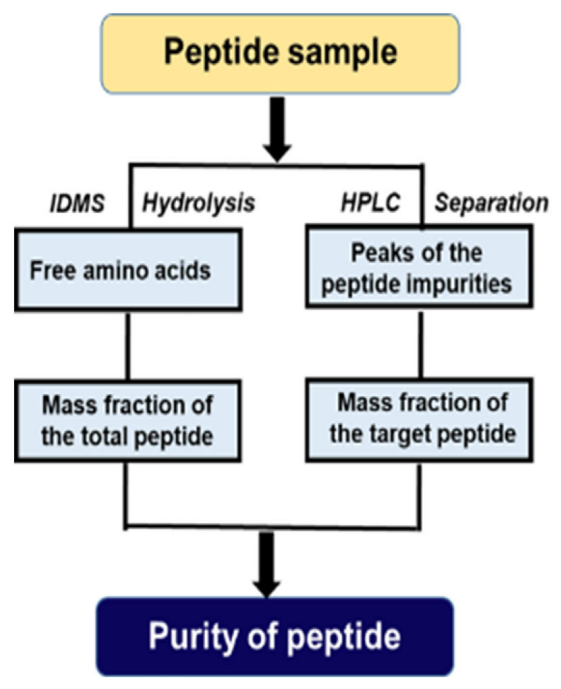
Product whole lot numbers can be located Find more information in the top right edge of product tags. PeptidePro Canada supplies research-use-only products to clients in Canada. This is a much click here more powerful reading technique than looking just at one percentage number and overlooking the rest of the file.- LC-MS can aid reveal whether the example straightens with the anticipated mass account of the peptide noted on the file.
- Reviewing a CoA isn't concerning memorizing every term but understanding what each number suggests for the job.
- Even when evaluating the very same material, various research laboratories might generate a little different results as a result of these variables.
- When a substance goes through evaluation by an exterior research laboratory, the resulting documentation might be referred to as third-party checked peptides.
Nextday Peptides is dedicated to providing scientists with high-quality study peptides accompanied by authentic Certifications of Evaluation (COAs). All items on this site are for research and development make use of only. The declarations made on this internet site have actually not been evaluated by the US Food and Drug Administration.
Peptides Lab Uk
A CoA is a technological paper meant to support reproducibility and clinical integrity. This content is for educational and educational functions only and is not an alternative to expert medical suggestions, diagnosis, or therapy. Always get in touch with a qualified doctor before making any health-related choices. Heavy steel evaluation screens for hazardous elements including lead, mercury, arsenic, and cadmium. Inductively Combined Plasma Mass Spectrometry (ICP-MS) provides delicate discovery of these contaminants at parts-per-billion levels. Please check the pertinent product page to watch the latest Certification of Evaluation PDFs for present batches.
How To Review A Coa
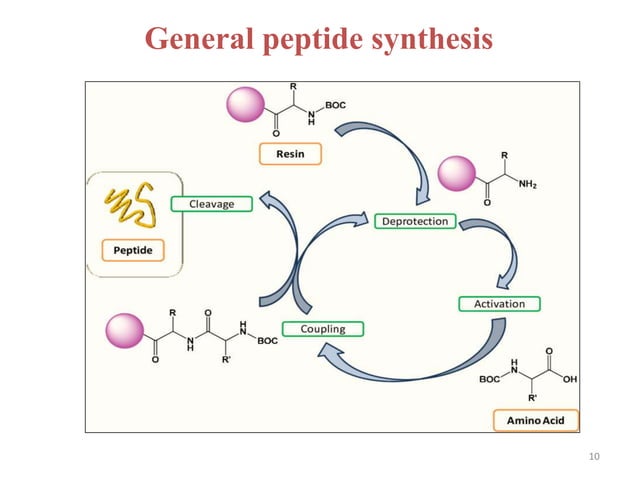
The International Council for Harmonisation (ICH) Q3C guidelines establish appropriate limits for residual solvents based upon their toxicity classifications. Class 1 solvents ought to be stayed clear of completely, Class 2 solvents have particular concentration limits, and Course 3 solvents are taken into consideration much less poisonous with higher appropriate degrees. TFA, typically utilized in peptide synthesis, commonly shows up at degrees listed below 1% in appropriately purified items.